Table of Contents
"Furthermore, there's no particular order for the phases of grief. Our initial emotional response to loss may be rage and depression.
And our emotions can come in waves of strength. Numerous people get irritated with themselves because they believe they're grieving as well long.
It depends upon the person, and it relies on the loss. Attempt not to set any due dates on your own. And bear in mind that there's never ever a time when we're entirely "done" with sorrow; we simply learn just how to make modifications to the loss. The mourning procedure can be unbelievably tough, but we do not need to go through it alone.
Sorrow is a complex procedure that varies from one person to another. The 5 stages of sorrow denial, anger, negotiating, clinical depression, and approval are a handy structure for assuming regarding sorrow, but it does not mean we'll go with every phase. In a similar way, we can experience these elements of sorrow at various times, and they do not take place in one specific order.
The Power of Self-Parts in Understanding Success Orientation

Believe it or not, all of these are some form of sorrow or the experience of coping with loss. As we work our method through experiences like these, we're likely to go via various stages or feelings from denial and anger to sadness and animosity.
We'll also look at typical misconceptions concerning pain and pointers for managing loss. Allow's dive in. Prior to we study the five stages of pain, it's helpful to recognize what pain is. Merely put, pain is the experience of managing loss. And it's experienced by each individual in an uniquely personal means.
Pain can likewise originate from any type of changes we experience in life, such as relocating to a brand-new city or college or transitioning right into a brand-new age team. The truth is that we all experience a specific level of pain throughout our lives. While some losses are much more intense than others, they are no less real.
Internal Family Systems Therapy: Understanding Your Sub-Personalities
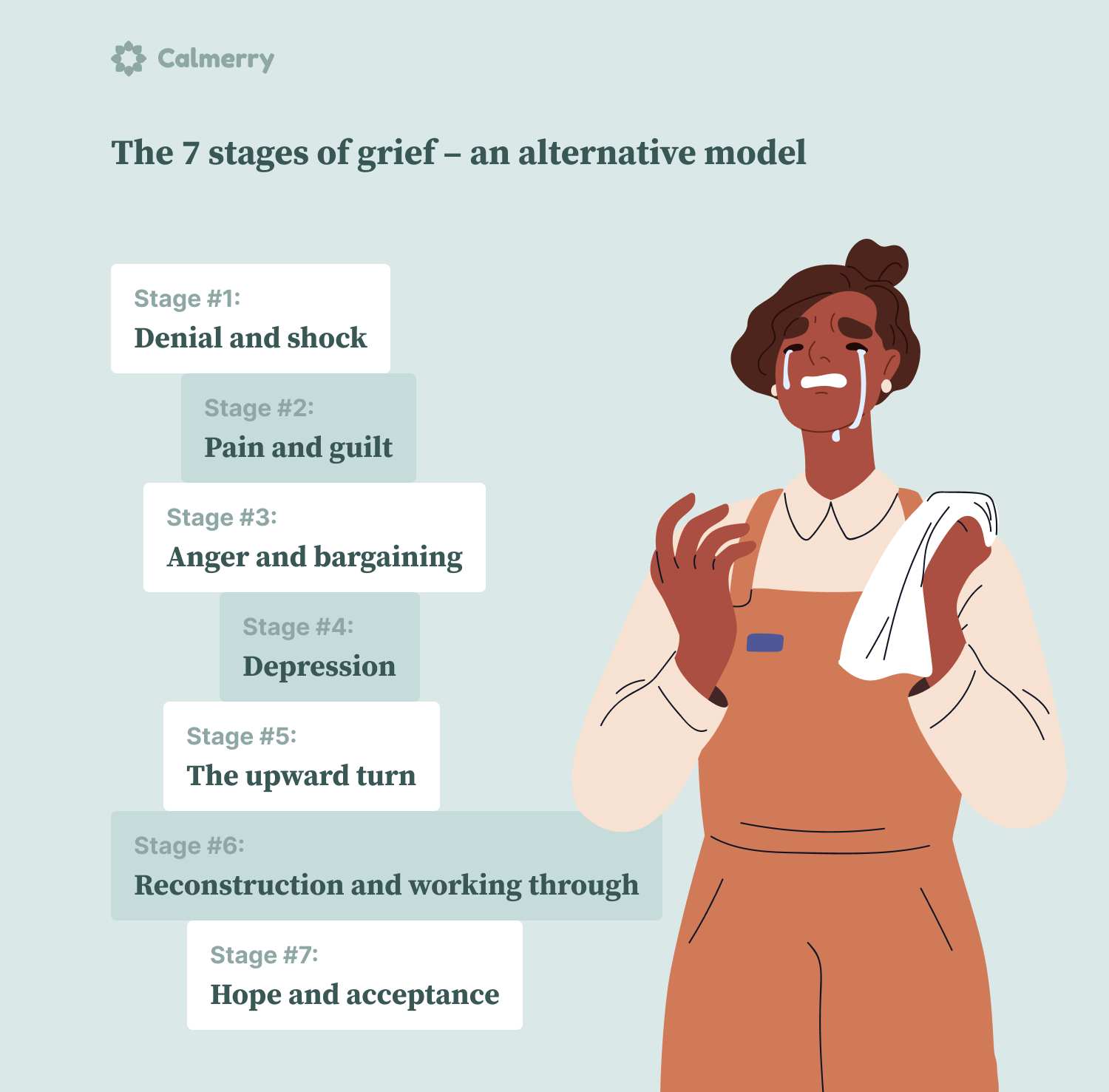
Many researchers have actually devoted years to researching loss and the feelings that accompany it. One of these experts was Elisabeth Kubler-Ross, a Swiss-American psychoanalyst. She spoke with over 200 people with terminal illnesses and identified 5 common phases individuals experience as they face the realities of their impending fatality: rejection, temper, negotiating, depression, and acceptance.
Although Kubler-Ross's work concentrated on grief actions from individuals who are dying, several of these stages can be put on pain across any kind of loss. It is necessary to note that these stages are not linear, and they're not a prescription. Not everyone experiences every stage, and that's all right. We might seem like we approve the loss at times and after that relocate to another phase of pain once more.
Relational Trauma and Career Patterns
Similarly, how much time we invest navigating these stages differs from individual to individual. It could take us hours, months, or longer to process and heal from a loss. With that in mind, let's take a closer take a look at each of the five stages of despair: For lots of individuals, denial or claiming the loss or adjustment isn't happening is usually the very first feedback to loss.
Many people will also experience rage as part of their sorrow. In various other words, temper is a means to conceal the many feelings and discomfort that we're bring as an outcome of the loss or change.
Despite the fact that our rational mind comprehends they're not to criticize, our feelings are intense and can conveniently bypass rational thinking. We likewise might lash out at inanimate objects, unfamiliar people, pals, or member of the family. We could feel angry at life itself. While we frequently think that temper is a negative feeling and something to be stayed clear of in all prices, it actually offers a function and is a necessary component of healing.
Bargaining is a phase of sorrow that aids us hold onto hope throughout extreme emotional discomfort. It's an effort to aid us regain control of a scenario that has made us really feel extremely susceptible and defenseless. It's additionally another means to aid us postpone needing to deal straight with the despair, confusion, or pain.
Internalized Shame in High-Performing Professionals
Clinical depression is often compared to the "quiet" phase of despair, as it's not as active as the rage and negotiating stages. Signs of clinical depression can materialize themselves in different methods.
In severe situations, we could be not able or reluctant to wake up in the early morning. Much like the other phases of grief, depression is experienced in different ways. It's not an indicator that something is wrong with us. Rather, it's a natural and proper reaction to despair.
Rather, For example, if we're grieving the death of an enjoyed one, we might be able to share our gratitude for all the fantastic times we spent with them. Or if we're going with a separation, we could say something like, "This really was the very best thing for me." In this stage, we might come to be extra comfortable reaching out to household and friends, and we may also make brand-new partnerships as time goes on.
Here are 3 common misconceptions concerning regreting that we may think when we consider our very own or somebody else's method of grieving: One of the most usual false impressions about grieving is that everybody undergoes it similarly. But as we've developed, regreting is a special journey that is different for every person.
Social Anxiety in High-Achieving Anxiety Practitioners
If you ever before find on your own thinking, "I'm doing it incorrect," attempt advising yourself that "there's no right or incorrect way of grieving."Additionally, there's no specific order for the phases of sorrow. Our very first emotional response to loss could be anger and depression. This doesn't suggest that we're not grieving correctly.
And our emotions can come in waves of intensity. Lots of individuals obtain irritated with themselves due to the fact that they think they're regreting too long.

Navigation
Latest Posts
Investigating Complex Trauma Through the Lens of Professional Counseling
Recognizing Stimuli-Based Overwhelm as a Root Cause
Trauma Therapy That Affirms Neurodiverse Perspectives